__________________________________________________________________________________________________________________________________
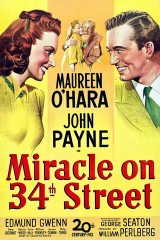
Miracle on 34th Street (initially released as The Big Heart in the United Kingdom)[3][4] is a 1947 American Christmas comedy-drama film released by 20th Century-Fox, written and directed by George Seaton and based on a story by Valentine Davies. It stars Maureen O'Hara, John Payne, Natalie Wood, and Edmund Gwenn. The story takes place between Thanksgiving and Christmas in New York City, and focuses on the effect of a department store Santa Claus who claims to be the real Santa. The film has become a perennial Christmas favorite.
Miracle on 34th Street was first released on VHS and LaserDisc in 1987.
In 1985, it became one of the first full-length black and white films to be colorized.[28] The 4½-month process was carried out by Color Systems Technology, Inc.[29] In 1993, this version was released on VHS and LaserDisc, and was followed four years later by a "50th Anniversary Edition" on both formats, remastered by THX.
Remake
A 1994 feature film starred Richard Attenborough, Elizabeth Perkins, Dylan McDermott, J. T. Walsh, Timothy Shea, James Remar, Jane Leeves, Simon Jones, William Windom and Mara Wilson. It was adapted by John Hughes from the Seaton script, and directed by Les Mayfield. Due to Macy's refusal to give permission to use its name, it was replaced by the fictitious "Cole's". "We feel the original stands on its own and could not be improved upon," said Laura Melillo, a spokeswoman for Macy's. Gimbels no longer existed by 1994 so its name was replaced by the name of the fictional "Shopper's Express". Alvin Greenman (Alfred in the original version) played a doorman. The 1994 remake of the film had a more serious tone than the original 1947 film had and a large portion of the plot was rewritten, although the majority of both the plot and the characters remained intact. The 1994 film also added a subtext which described concerns about religious faith.
__________________________________________________________________________________________________________________________________
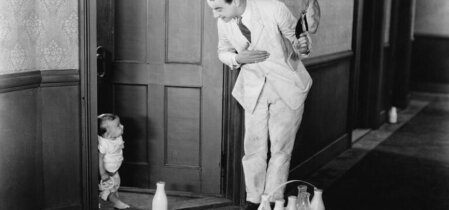
In the 1940s, home delivery of milk and ice was a common service. Milkmen made regular rounds, dropping off fresh dairy products and blocks of ice to keep food cool in iceboxes. This convenience was integral to daily life before widespread refrigeration.
The sight of a milkman on his route, delivering essentials door-to-door, is a nostalgic image today.
With the advent of modern refrigeration and supermarkets, such services have largely disappeared. This shift highlights the dramatic technological and logistical advancements in how we store and purchase groceries, transforming everyday life.
__________________________________________________________________________________________________________________________________
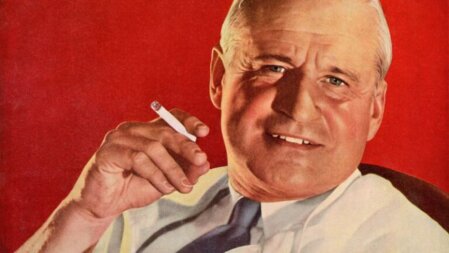
During the 1940s, cigarette advertisements often featured doctors promoting certain brands, suggesting their products were beneficial or soothing. This endorsement lent an aura of credibility and trust to smoking, misleading many about the health effects.
Such advertisements now seem shockingly irresponsible, given what we know about the dangers of smoking. The medical community’s involvement in promoting cigarettes illustrates how much societal and scientific understanding has evolved.
Today, healthcare professionals actively campaign against smoking, emphasizing the critical shift in public health perspectives since the 1940s.
__________________________________________________________________________________________________________________________________
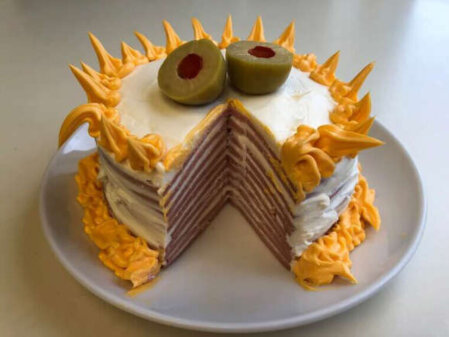
Yes, you read that right… Someone took bologna, stacked it like pancakes, and "frosted" it with cream cheese. This savory abomination was actually quite popular at parties and had enough sodium and preservatives to mummify a small animal. Yummy.
__________________________________________________________________________________________________________________________________

1. Because the movie Halloween (1978) was on such a tight budget, they had to use the cheapest mask they could find for the character Michael Meyers, which turned out to be a William Shatner Star Trek mask. Shatner initially didn’t know the mask was in his likeness, but when he found out years later, he said he was honored.
2. he first Jack O’Lanterns were actually made from turnips.[21]
The word “witch” comes from the Old English wicce, meaning “wise woman.” In fact, wiccan were highly respected people at one time. According to popular belief, witches held one of their two main meetings, or sabbats, on Halloween night.[27]
3. Samhainophobia is the fear of Halloween.[9]
The owl is a popular Halloween image. In Medieval Europe, owls were thought to be witches, and to hear an owl's call meant someone was about to die.[27]
According to Irish legend, Jack O’Lanterns are named after a stingy man named Jack who, because he tricked the devil several times, was forbidden entrance into both heaven and hell. He was condemned to wander the Earth, waving his lantern to lead people away from their paths.[27]
4. Stephen Clarke holds the record for the world’s fastest pumpkin carving time: 24.03 seconds, smashing his previous record of 54.72 seconds. The rules of the competition state that the pumpkin must weigh less than 24 pounds and be carved in a traditional way, which requires at least eyes, nose, ears, and a mouth.[14]
5. Trick-or-treating evolved from the ancient Celtic tradition of putting out treats and food to placate spirits who roamed the streets at Samhain, a sacred festival that marked the end of the Celtic calendar year.[14]
“Souling” is a medieval Christian precursor to modern-day trick-or-treating. On Hallowmas (November 1), the poor would go door-to-door offering prayers for the dead in exchange for soul cakes.[21]
6. he first known mention of trick-or-treating in print in North America occurred in 1927 in Blackie, Alberta, Canada.[14]
Halloween Cat Fact
Cats have a prominent place in Halloween folklore and decor
With their link to the ancient Celtic festival of Samhain (a precursor to Halloween) and later to witches, cats have a permanent place in Halloween folklore. During the ancient celebration of Samhain, Druids were said to throw cats into a fire, often in wicker cages, as part of divination proceedings.[27]
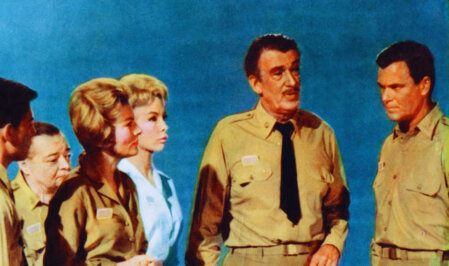
Voyage to the Bottom of the Sea” (1964–1968)
If Star Trek explored the stars, this show explored the deep. Submarines, sea monsters, espionage—it had everything. It was like The Hunt for Red October meets Godzilla, with acting that was equally dramatic underwater or above.
__________________________________________________________________________________________________________________________________
Eclectic Earrings
Naturally, Madonna is on this list: her look defined the decade. There's a lot to emulate from the icon's style, but I'm actually drawn to her earrings here. Amidst all the drama in her hair and makeup, I love the little stack of earrings on the side.

__________________________________________________________________________________________________________________________________
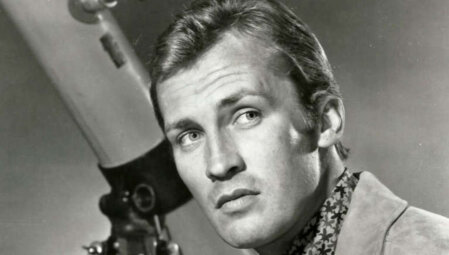
The Invaders” (1967–1968)
©ABC Television, Wikimedia Commons
A traveling architect discovers that aliens have infiltrated Earth… and no one believes him. Basically, Invasion of the Body Snatchers turned into a weekly TV panic attack. The paranoia and Cold War tension made it perfect mid-century fear fuel.
__________________________________________________________________________________________________________________________________
Think The Twilight Zone’s weirder, more experimental cousin. Each episode opened with a chilling message—“There is nothing wrong with your television set”—which instantly meant there was definitely something wrong. It was eerie, imaginative, and surprisingly profound for a show made with about twelve dollars.

__________________________________________________________________________________________________________________________________

The late Cloris Leachman looks stunning here. It's a combination of the short '80s pixie and her relatively neutral makeup; it's hard to believe that she was in her 50s when this was taken. That flattering simplicity can be modernized with a little more layering in the hair.
__________________________________________________________________________________________________________________________________
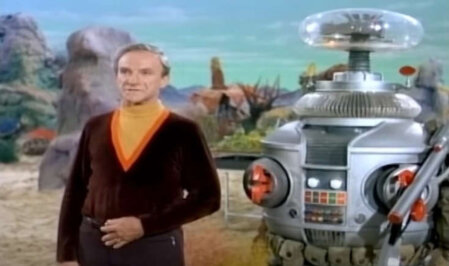
Before Star Trek got all the glory, the Robinson family was already lost in space—with a whiny robot and one of TV’s greatest villains, Dr. Smith. The special effects were so bad they were good, and “Danger, Will Robinson!” became the line that defined a generation of Saturday mornings.
__________________________________________________________________________________________________________________________________
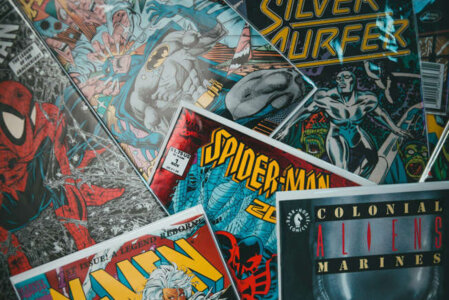
If you've got a box of old comic books gathering dust, now's the time to dig them out. Early issues featuring beloved characters like Superman, Batman, and Spider-Man are incredibly valuable today. The holy grail? Action Comics #1, which introduced Superman in 1938 - it sold for over $3 million.
Even comics from the '70s and '80s can be worth a few hundred dollars if they're in excellent condition. Collectors look for key issues, character debuts, and pristine covers with no tears or discoloration. Slip them into protective sleeves before they age any further - your childhood heroes might just save your bank account, too.
__________________________________________________________________________________________________________________________________
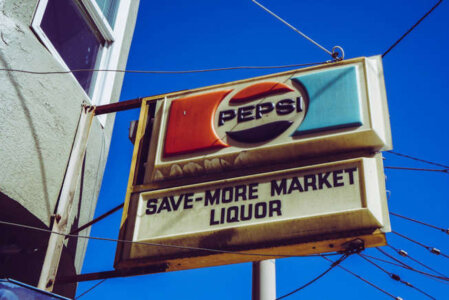
Old advertising signs are a hot market among collectors, especially those made from porcelain or tin. These colorful, hand-painted signs once lined roadsides and storefronts, promoting everything from Coca-Cola and Texaco to local diners.
Original pieces from the early 1900s through the 1950s can sell for hundreds or even thousands of dollars, depending on their rarity and condition. Faded paint and a little rust don't necessarily hurt their value - in fact, they often add to the charm. With the rise of retro decor, these signs have become popular design pieces, giving them both nostalgic and monetary appeal.
__________________________________________________________________________________________________________________________________
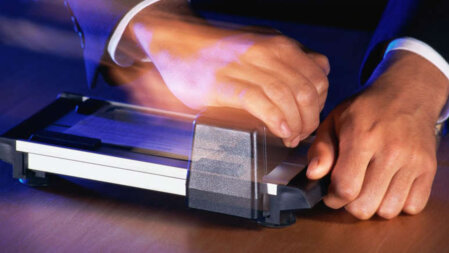
Before digital point-of-sale, a purchase meant laying your card on a metal bed, snapping a carbon slip over it, and sliding a heavy roller to emboss numbers onto paper. Carbon paper also cloned office documents with a satisfying inky smear. Chip readers, NFC taps, and e-signatures killed the entire ritual – for the better, frankly. Faster, more secure, fewer smudged hands. Still, there was a certain authority in that ka-CHUNK.
__________________________________________________________________________________________________________________________________
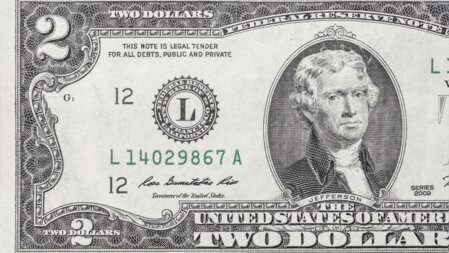
Technically, they still exist and even get printed now and then – but you almost never see them in the wild. For many of us, the $2 bill was a delightful oddity: Jefferson on the front, the Continental Congress on the back, sometimes tucked into birthday cards. As cash usage dropped and businesses got skittish about uncommon denominations, the bill drifted into collector land. It hasn’t died; it just left everyday life.
__________________________________________________________________________________________________________________________________
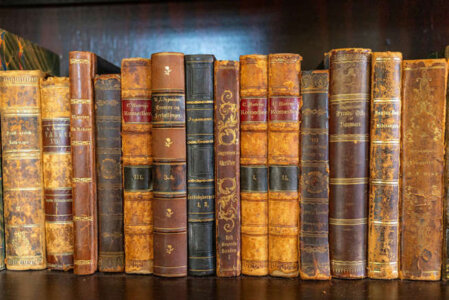
Bookworms, it's time to raid your bookshelves. First edition books - especially those from major authors - can be worth a small fortune. A first edition of Harry Potter and the Philosopher's Stone has sold for over $100,000, while classics like To Kill a Mockingbird or The Great Gatsby regularly fetch thousands.
Signed copies only sweeten the deal. Check the copyright page for words like "First Edition" or a specific print run number. Even contemporary titles can become valuable with time, particularly if they're tied to major cultural moments. So, if you've been hanging onto that box of old novels from your college days, it might be time to turn the page - and cash in.
__________________________________________________________________________________________________________________________________
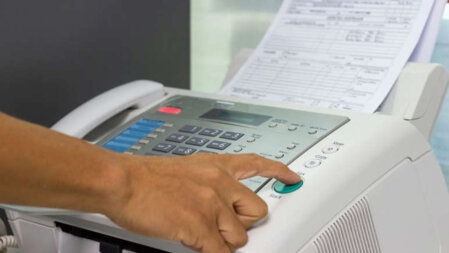
For a while, fax was magic: feed paper here, and an identical page appears across the country a minute later. Offices revolved around the whine, hiss, and thermal paper curls. Email and cloud sharing buried the format under better fidelity, cheaper transmission, and searchable archives. A few industries still cling to fax out of habit or regulation, but day-to-day, the “What’s your fax number?” era has faded to a dial tone no one hears.
__________________________________________________________________________________________________________________________________
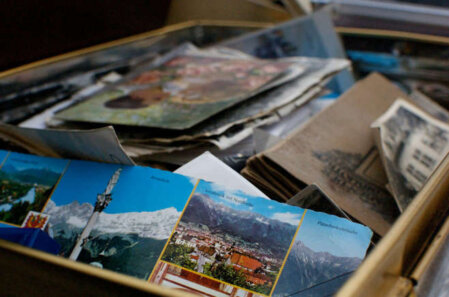
Those old postcards tucked into shoeboxes might be worth revisiting. Postcards from the "Golden Age of Postcards" - roughly 1907 to 1915 - are especially valuable to collectors. Scenic cards, real-photo postcards, or those featuring famous landmarks often sell for hundreds of dollars.
What makes them even more interesting is the history they hold - handwritten notes, stamps, and postmarks can all increase their appeal. Rare themes like World's Fair events, early aviation, or vintage holiday cards can be worth even more. So, before tossing out those vintage snapshots from family trips, check if they're part of this booming collector niche. They might be worth more than the vacation that inspired them!
__________________________________________________________________________________________________________________________________
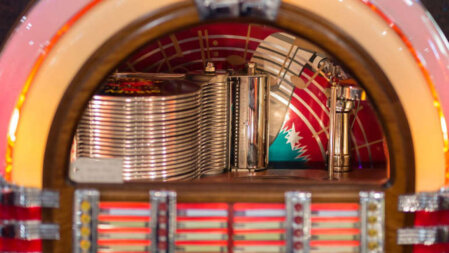
Select A7, wait for the mechanism to whir, and watch the 45 settle onto a spinning platter. The jukebox ruled diners, bars, and bowling alleys, giving the room a shared soundtrack. Streaming services privatized music into earbuds and algorithmic playlists. A few retro spots keep jukeboxes alive, but their social function – publicly declaring a song and inviting everyone to listen with you – has mostly gone quiet.
__________________________________________________________________________________________________________________________________
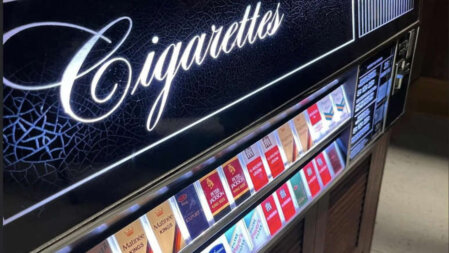
These chrome boxes once stood in bars and diners, all levers and little cellophane windows, ready to drop a pack for pocket change. As awareness of smoking’s health risks rose – and age verification tightened – these machines were banned, regulated out of public spaces, or simply abandoned. If you see one today, it’s décor: a nostalgia piece, not a retail channel. The ritual clack of pulling a knob and hearing a pack thud into the tray? Extinct.
__________________________________________________________________________________________________________________________________
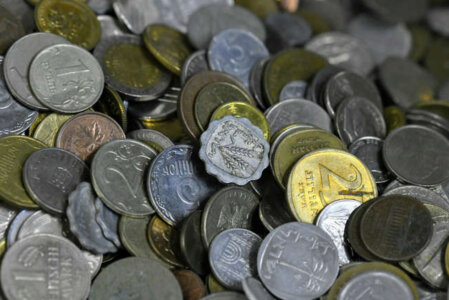
Before you dump that jar of spare change into the Coinstar machine, you might want to give it a second look. Some coins are worth far more than their face value. Take the famous 1943 copper Lincoln penny, for example - it can be worth up to $10,000 because it was mistakenly struck on copper instead of steel.
Other rare finds include pre-1965 silver quarters and dimes, or coins with minting errors that make them unique. Even older foreign coins and war-era currency have become highly collectible. The next time you're sorting through loose change or your grandparents' coin stash, keep an eye out for odd colors, misprints, or unusual dates - you could be holding a tiny fortune in your hand.
__________________________________________________________________________________________________________________________________
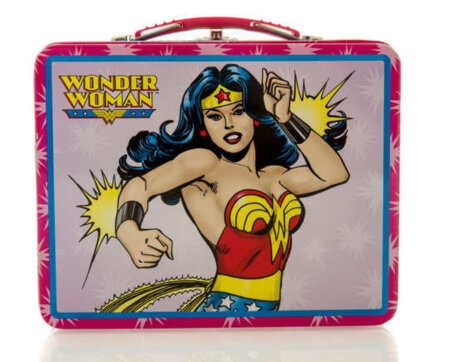
Remember those metal lunch boxes you used to carry to school with your favorite cartoon character on the front? Back in the day, they were just a fun way to tote your PB&J. Today, they're a collector's dream. Lunch boxes from the 1950s through the 1980s - especially those featuring TV shows like The Jetsons, Star Wars, or The Lone Ranger - can fetch anywhere from $100 to $2,000, depending on condition and rarity.
Bonus points if you've still got the matching thermos! Collectors love vibrant graphics and minimal rust, so if yours has survived years in the attic without dents, you might just have a treasure sitting on your shelf.
__________________________________________________________________________________________________________________________________
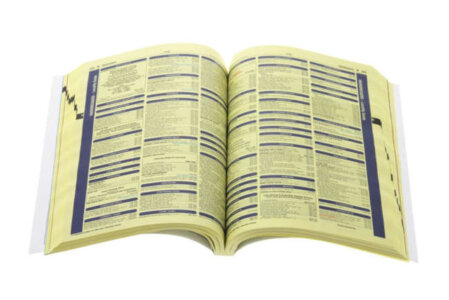
The printed phone book is almost extinct, even in Boomer homes. These hefty books were once a household essential.
Now, most people look up numbers online or in their phone. Phone books have become more of a nostalgic memory than a useful tool.
__________________________________________________________________________________________________________________________________
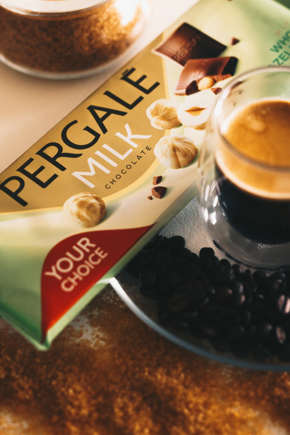
The Milkshake candy bar brought the soda fountain experience directly to your pocket. It tasted like a milkshake in solid form. Made with malted milk nougat, caramel, and chocolate covering, Milkshake was a popular chocolate bar that was discontinued due to a corporate buyout.
It was first introduced in 1927 and was available until 1996, the year the WRAT was born. Despite its unique taste and a dedicated following, the Milkshake Candy Bar was eventually discontinued. One reason could be the changing consumer preferences that leaned towards more familiar flavors like caramel and peanut butter.
Additionally, the bar faced stiff competition from other established brands, making it difficult to maintain its market presence. Its discontinuation left fans yearning for that unique malt flavor that's hard to find in today's candy aisles. The Milkshake bar's nearly 70-year run makes it a remarkable success story, and its malted milk flavor profile was truly unique in the candy landscape.
Collectors value this bar for its connection to American soda fountain culture and its distinctive taste that's impossible to replicate with modern candy bars.
__________________________________________________________________________________________________________________________________
The Reggie! Bar started out very promising, named after New York Yankees star Reggie Jackson. It launched in 1978, right when Jackson's popularity was peaking.
Bars to toss on the field when he hit a home run (which, of course, he did). The bar itself was basically a round patty of caramel, peanuts, and chocolate - sort of like a flattened Snickers without the nougat. The opening day incident at Yankee Stadium became candy bar legend.
The biggest story surrounding the Reggie Bar happened On April 13, 1978, opening day at Yankee Stadium, the New York Yankees gave away thousands of Reggie bars to fans. Reggie Jackson comes up to bat and hits a homerun and the fans just start tossing the Reggie Bars on to the field. This spontaneous celebration created one of the most memorable moments in both baseball and candy history.
Sports memorabilia collectors and candy enthusiasts both seek out Reggie Bar items, making it a crossover collectible. The bar's association with baseball's golden era and a legendary player gives it cultural significance beyond just being a discontinued candy.
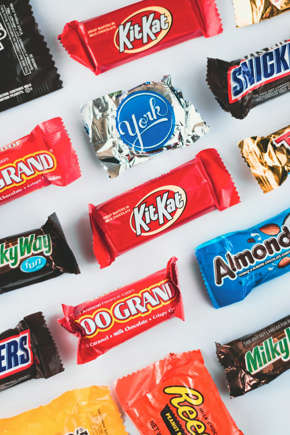
__________________________________________________________________________________________________________________________________
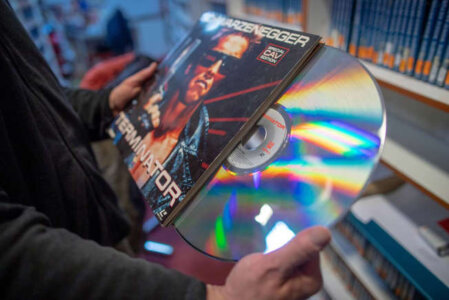
LaserDisc players, introduced in the late '70s and peaking in the '80s, were an early attempt at optical disc technology for home video. They offered superior video and audio quality compared to VHS tapes, but their large size and high cost limited their appeal.
While the format never gained widespread popularity, it paved the way for future optical media like DVDs and Blu-rays. LaserDiscs remain a collector's item today, representing a fascinating chapter in the evolution of home entertainment.
__________________________________________________________________________________________________________________________________
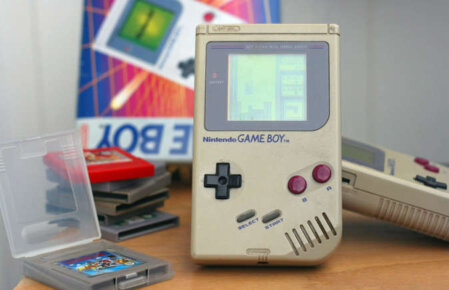
Launched in 1989, the original Nintendo Game Boy revolutionised portable gaming. With its simple screen and iconic button layout, the handheld, battery-powered console brought gaming on the go to the masses.
Who could forget being hooked on timeless classics like Tetris and Super Mario Land? Despite its basic graphics, it was the coolest gadget around.
__________________________________________________________________________________________________________________________________

The Slinky is one of those timeless toys that defined childhood for generations. It’s simple, mesmerizing, and endlessly entertaining, which makes it a perfect candidate for a modern revival. Retro packaging and influencer-driven campaigns could make it a viral sensation again. The toy’s iconic status in American pop culture is unmatched.
Special editions or glow-in-the-dark versions would add excitement. Pairing the toy with interactive online challenges could drive engagement. Schools and STEM programs could embrace it as a learning tool. Slinky’s charm and versatility make it an instant sell-out item.
__________________________________________________________________________________________________________________________________
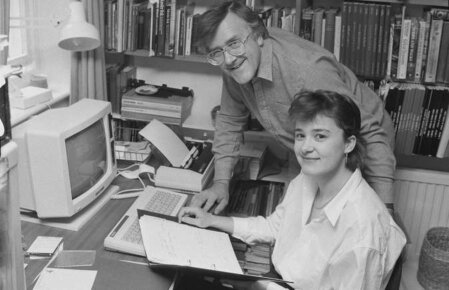
1987 saw the release of Microsoft Windows 2.0, an operating system that introduced several key features to personal computing, including desktop icons. It also became the first version of Windows to support Microsoft Word and Excel, paving the way for the tools we still use today!
With the rise of the PC during this time, working from home, like this couple here, became more feasible than ever before, marking a major shift in how people used technology.
__________________________________________________________________________________________________________________________________
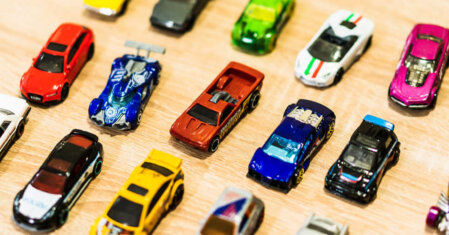
You'd be hard-pressed to find an original pink, rear-loading Beach Bomb, as the toy was reportedly redesigned, and only a few of the originals still exist.
If you can find the OG pink van with surfboards packed into the back, Car and Driver estimates it could be worth up to $175,000 (even replicas are going for $300 on eBay).
__________________________________________________________________________________________________________________________________
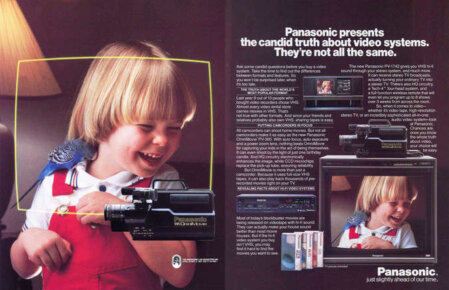
Camcorders became a household hit in the 1980s, as video recording finally moved out of the studio and into the living room. Before then, filming equipment was bulky and expensive, and mainly used by professionals. But as technology improved, compact and affordable camcorders hit the market.
The real game-changer was the introduction of VHS camcorders, which let families record everyday moments straight onto tapes they could pop into their VCRs. Making home movies suddenly became easier, much to the delight of parents everywhere.
__________________________________________________________________________________________________________________________________
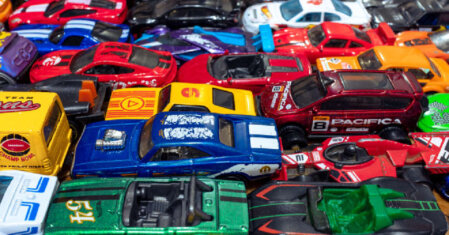
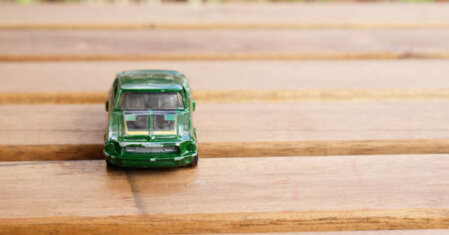
Like the Over Chrome Camaro, Car and Driver notes that a red Over Chrome Mustang was likely created only for advertising purposes.
It's hard to put a price tag on such a unique car, but the magazine estimates it could be worth up to $40,000.
__________________________________________________________________________________________________________________________________
A 1968 lime green Over Chrome Camaro is among the rarest Hot Wheels available. It was likely created only for advertising purposes, and only about 20 are thought to exist.
Car and Driver says it could sell for up to $25,000.
__________________________________________________________________________________________________________________________________
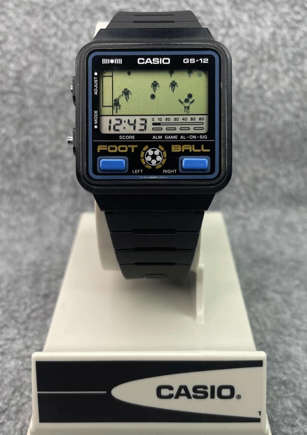
In the '80s, watches weren't just for telling time—they were also a source of entertainment. LCD wristwatch games combined the functionality of a digital watch with simple, interactive games.
Brands like Nelsonic and Casio released watches featuring popular games like Pac-Man and Donkey Kong. These wristwatches were a novelty, offering a unique blend of practicality and play, and they remain a nostalgic reminder of the era's playful approach to technology.
__________________________________________________________________________________________________________________________________
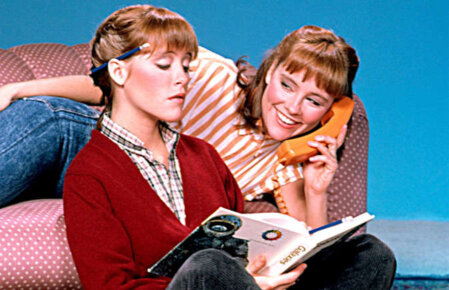
While it’s hard to imagine a world before mobile phones became the norm, in the 80s, most homes relied on landline phones, either rotary dial or push-button models.
Corded wall phones were considered the height of cool, firmly anchored in kitchens and hallways as essential household fixtures. Here, the stars of the US sitcom Double Trouble capture the spirit of 80s teen life as they chat and gossip on a classic landline phone.
But by the late 80s, cordless phones began to emerge, offering the freedom to move around the house while chatting, a revolutionary convenience!
__________________________________________________________________________________________________________________________________
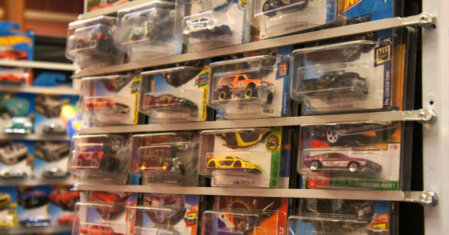
According to Car and Driver, if you come across an authentic Ed Shaver AMX, complete with a graphic on the side, you could be looking at a payday of up to $10,000. On eBay, they can sell for around $300.
__________________________________________________________________________________________________________________________________
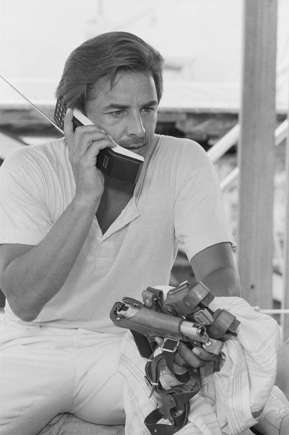
The '80s saw the advent of mobile phones, often referred to as 'brick phones' due to their size and shape. The Motorola DynaTAC 8000X, released in 1983, was one of the first commercially available mobile phones.
It weighed nearly two pounds and had a hefty price tag, but owning one was a status symbol. Despite their cumbersome design, these early mobile phones marked the beginning of a communication revolution, setting the stage for the sleek, powerful smartphones we use today.
__________________________________________________________________________________________________________________________________
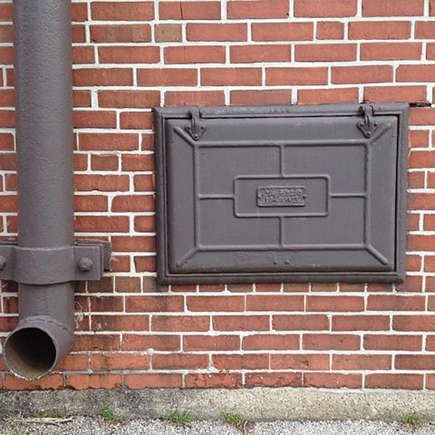
While natural gas is heating fuel of choice for many people today, up until around 1940, most families heated their homes by burning coal.
Coal deliverymen traveled door-to-door to provide people the fuel they needed to power their furnace. They shoveled coal through the small door and down the chute into the basement. Once in the basement, homeowners could shovel the coal directly into the furnace. Today, most of these chutes have been sealed, though you will often still see the iron doors on older homes. What was once a necessary, functional part of the house is now a great conversation starter and history lesson.
__________________________________________________________________________________________________________________________________
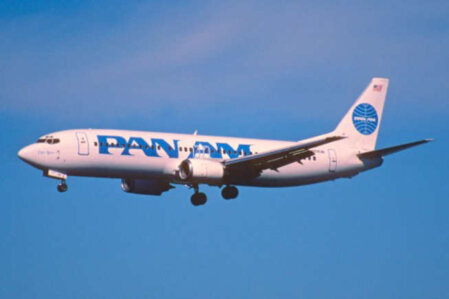
Pan Am was more than an airline; it was a symbol of the golden age of air travel. People remember the sleek uniforms, the iconic blue globe logo, and the idea that flying was glamorous rather than just functional. The brand carries a sense of adventure and luxury that’s missing in today’s airline industry. A relaunch could tap into that feeling of elevated travel experience that modern flyers often yearn for.
Imagine first-class cabins named after famous Pan Am routes, retro-branded luggage, and exclusive lounges. Travelers would pay a premium for that nostalgic glamour. Limited flights or collaboration with boutique travel agencies could make the brand feel exclusive and high-demand. Pan Am’s legendary status in pop culture could turn any revival into an instant hit.
__________________________________________________________________________________________________________________________________

Pure Prairie League is an American country rock band which featured in its original lineup singer and guitarist Craig Fuller, drummer Tom McGrail and steel guitarist John David Call, all from Waverly in southern Ohio. Fuller started the band in 1970 and McGrail named it after a fictional 19th century temperance union featured in the 1939 Errol Flynn cowboy film Dodge City. In 1975 the band scored its biggest hit with the single "Amie", a track that originally appeared on their 1972 album Bustin' Out. Pure Prairie League scored five consecutive Top 40 LPs in the 1970s and added a sixth in the 1980s. They disbanded in 1988 but regrouped in 1998 and continue to perform. The line-up has been fluid over the years, with no one member having served over the band's entire history. The band's most recent line-up consists of Call, drummer Scott Thompson, keyboardist/guitarist Randy Harper, guitarist Jeff Zona and bassist Jared Camic. Other notable musicians to have played with Pure Prairie League include guitarists Vince Gill, Gary Burr and Curtis Wright.
__________________________________________________________________________________________________________________________________
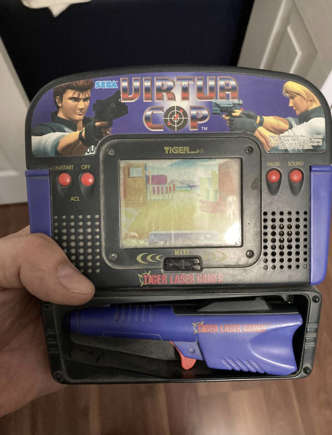
In the '80s, handheld electronic games became wildly popular, offering pocket-sized entertainment for kids and adults alike. Companies like Nintendo and Tiger Electronics released a variety of games featuring simple graphics and gameplay.
These devices were perfect for on-the-go fun, often depicting popular arcade games in miniature form. The simplicity and portability of these games made them a hit, foreshadowing the rise of handheld gaming consoles like the Game Boy, which would debut at the end of the decade.
__________________________________________________________________________________________________________________________________
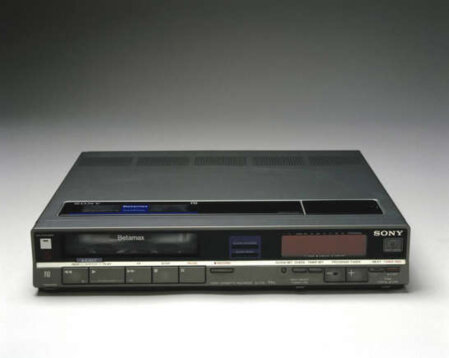
Sony's Betamax, introduced in 1975, was at the center of the first major format war in the home video industry. Despite offering superior video quality, Betamax lost out to VHS due to the latter's longer recording time and wider availability.
This battle for dominance in home video recording highlighted the importance of format compatibility and market strategy. While Betamax eventually faded into obscurity, it set the stage for future media battles and innovations in home entertainment.
__________________________________________________________________________________________________________________________________
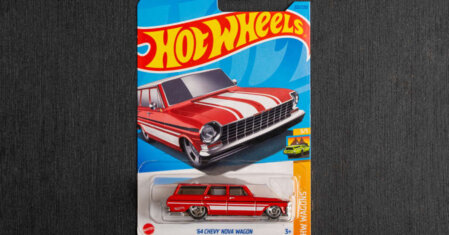
Any Red Ferrari 312P model in decent condition can get you around $30 to $50.
However, according to Car and Driver magazine, it may be worth $5,000 if you can find one with a white interior.
__________________________________________________________________________________________________________________________________

If you've ever walked up to someone's front door and seen a strange ground-level cast-iron contraption, it's a boot scraper! Known as a "decrottoir" in French, which refers to the need to remove excrement (yuck), boot scrapers popped up in the 18th and 19th centuries alongside the invention of walking paths. With modernism came less mud (as well as dog, human, horse and pig excrement) on the streets, and so the boot scraper declined in necessity and popularity.
__________________________________________________________________________________________________________________________________
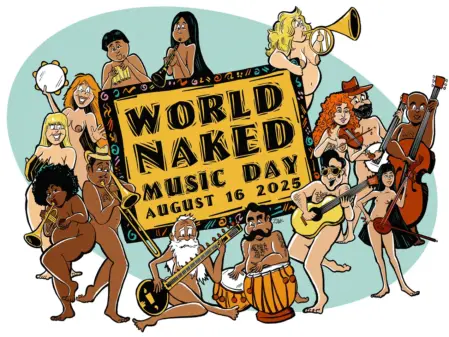
This Saturday, August 16th, marks the return of World Naked Music Day. It is a growing tradition that celebrates the harmony between music and body freedom while raising funds for an important cause. Each year, we celebrate nudity and music on the 3rd Saturday in August.
This year, Planet Nude is once again using the day to support Music Heals Minds, an organization harnessing the healing power of music to bring joy, connection, and comfort to those facing illness, isolation, and hardship.
Music can lower stress, lift spirits, and create bonds where words fall short. It reaches people in hospitals, care homes, and communities in need. It is a universal language that reminds us we are not alone.
We would love to see this tradition grow, and you can help. Donate directly to the fundraiser and share it with your networks so more people can get involved.
You can also support the cause by shopping Planet Nude merch.
All proceeds from t-shirts, stickers, and mugs sold by August 16 will be added to the fundraiser. Every dollar helps bring music’s healing power to those who need it most.
__________________________________________________________________________________________________________________________________